
Trading is the buying and selling of financial instruments—such as stocks, currencies, commodities, and derivatives—with the goal of generating a profit from short-term price fluctuations. Unlike long-term investing, traders actively buy and sell assets frequently, sometimes within minutes, hours, or days, to capitalize on market volatility.
1. Core Trading Styles (By Time Horizon)
3. Market-Specific Tradin
what is trading

Trading typically involves speculating on whether an asset’s price will rise (going long) or fall (going short).
- Market Analysis: Traders use technical analysis (studying price charts and patterns) and sometimes fundamental analysis (economic news and company health) to predict market movements.
- Execution: Orders are placed through a brokerage platform. In India, this requires a Demat and Trading account to hold and transact securities digitally.
- Supply and Demand: Prices are driven by the balance between buyers and sellers; when buyers outnumber sellers, prices typically rise.
Common Types of Trading
- Scalping: Making dozens or hundreds of trades in a single day to profit from tiny price changes lasting only seconds or minutes.
- Day Trading (Intraday): Buying and selling assets within the same trading day to avoid overnight market risks.
- Swing Trading: Holding positions for several days or weeks to capture expected upward or downward “swings” in price.
- Position Trading: A longer-term strategy where traders hold assets for months, focusing on major trends rather than daily volatility.
Tradable Financial Assets
Traders operate across various global markets, including:
- Stocks: Shares of individual public companies.
- Forex: The foreign exchange market for trading global currency pairs like EUR/USD.
- Commodities: Raw materials like gold, crude oil, and agricultural products.
- Derivatives: Financial contracts like Futures and Options that derive value from an underlying asset, often allowing for leverage.
1. Core Trading Styles (By Time Horizon)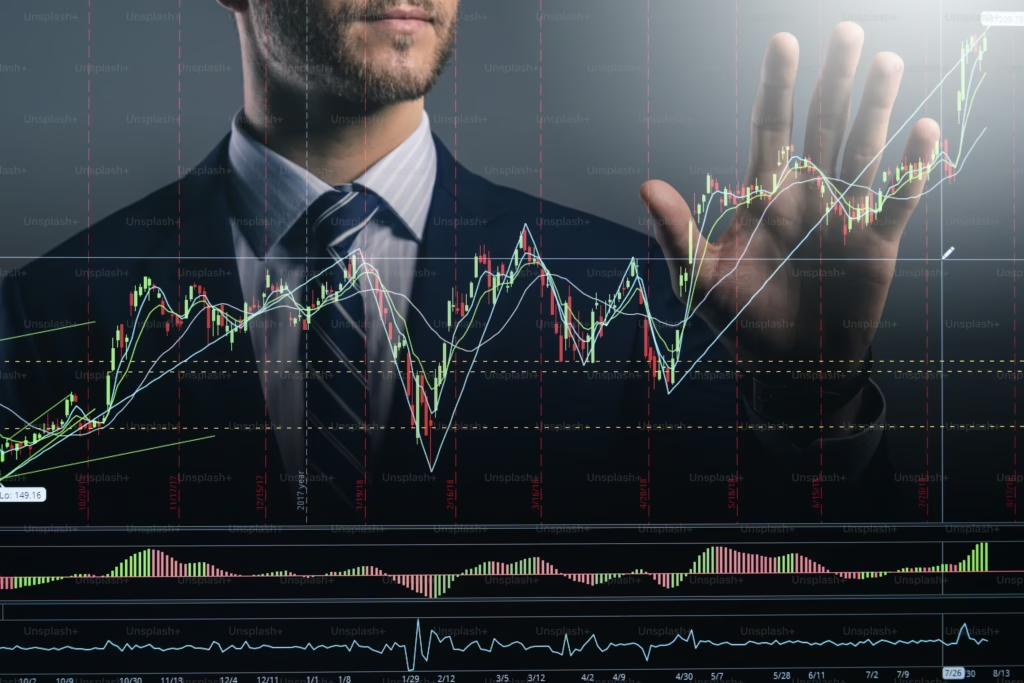
The most common way to distinguish trading types is by the duration a position is held:
- Scalping (Seconds to Minutes): An ultra-short-term strategy where traders aim for tiny profits from hundreds of trades per day.
- Day Trading / Intraday (Single Day): Buying and selling assets within the same session to avoid overnight market risk. All positions are “squared off” before market close.
- Swing Trading (Days to Weeks): Traders aim to capture short-to-medium-term price “swings” using technical analysis. It is popular for those who cannot monitor screens full-time.
- Position Trading (Months to Years): A long-term approach similar to investing, focusing on major market trends and fundamental shifts rather than daily volatility.
2. Strategic & Advanced Trading Types
Beyond timeframes, trading is defined by the specific strategy or technology used:
- Algorithmic Trading: Uses automated computer programs to execute trades based on predefined criteria like price, timing, or quantity.
- Momentum Trading: Involves “riding the wave” of a strong upward or downward price trend until it shows signs of reversal.
- Arbitrage Trading: Simultaneously buying and selling the same asset in different markets to profit from small price discrepancies.
- Copy & Social Trading: Modern methods where beginners automatically replicate the trades of experienced professionals through digital platforms.
- News Trading: Executing trades based on immediate market reactions to economic reports, earnings calls, or geopolitical events.
3. Market-Specific Tradin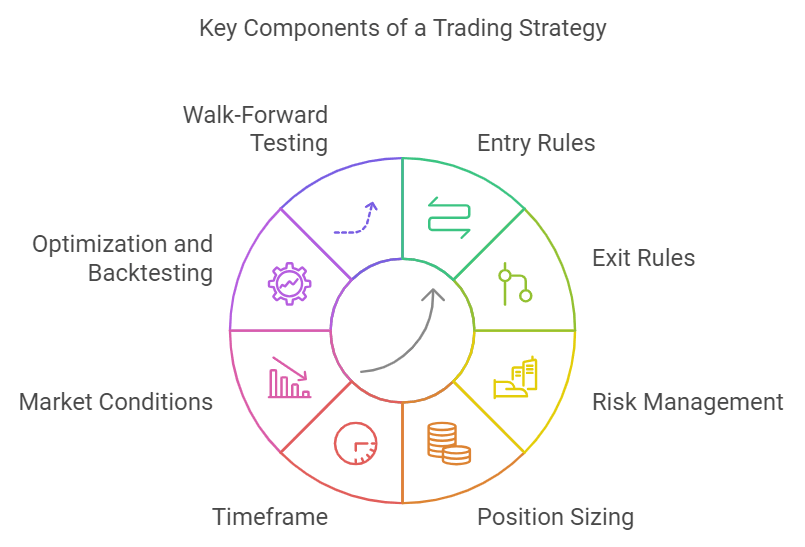
Trading also differs based on the instrument being traded in various 2026 financial markets:
- Equity (Stock) Trading: Buying and selling shares of public companies.
- Options & Futures (Derivatives): Trading contracts based on an underlying asset’s future price. These often involve leverage.
- Forex Trading: The exchange of global currency pairs (e.g., EUR/USD) in the world’s most liquid market.
- Commodity Trading: Trading raw materials such as gold, crude oil, and agricultural products.